WW2 German Nazi Brass Petrol Lighter KASCHIE Waffen SS Wehrmacht TK
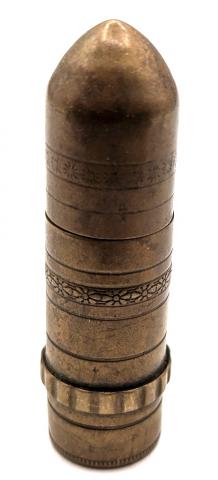
WW2 German Nazi Brass Petrol Lighter KASCHIE Waffen SS Wehrmacht TK
$65.00
Product
WW2 German Nazi Brass Petrol Lighter KASCHIE Waffen SS Wehrmacht TK
Empty
WW2 German Nazi Brass Petrol Lighter KASCHIE Waffen SS Wehrmacht TK
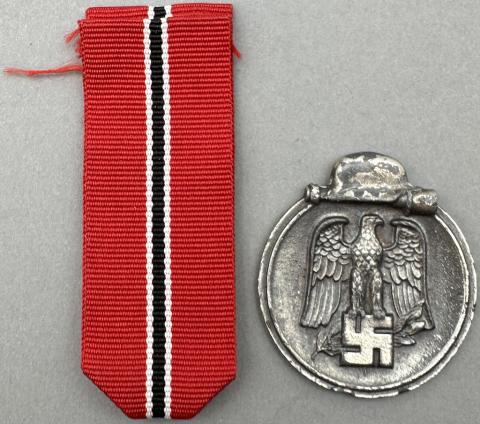
WW2 German Nazi Wehrmacht - WAffen SS eastern front medal award
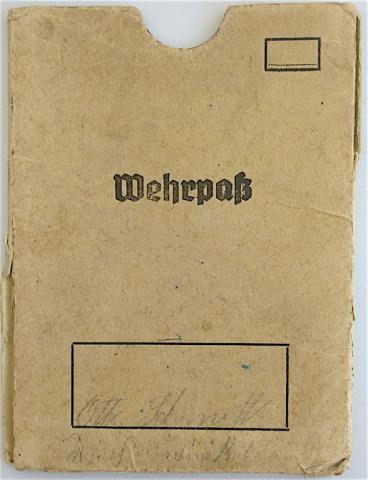
WW2 GERMAN NAZI WEHRPASS HARD COVER ID SOLDBUCH NAMED AUSWEIS WEHRMACHT OR WAFFEN SS
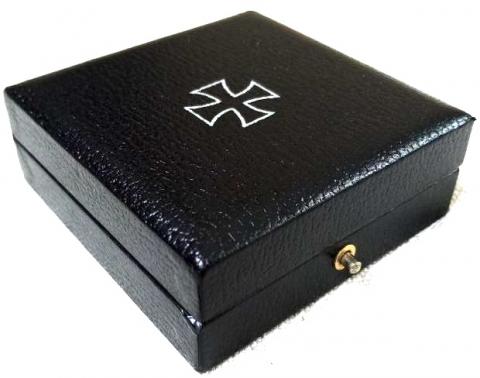
WW2 german Nazi Iron cross 1st class medal award case

WW2 german Nazi Honors Bag enveloppe for merit Cross Second Class without swords medal award
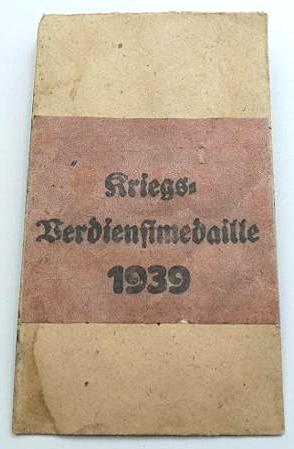
WW2 German Nazi Award bag enveloppe for a Medal of Merit 1939

WW2 German Nazi nice IRON CROSS commemorative wall frame
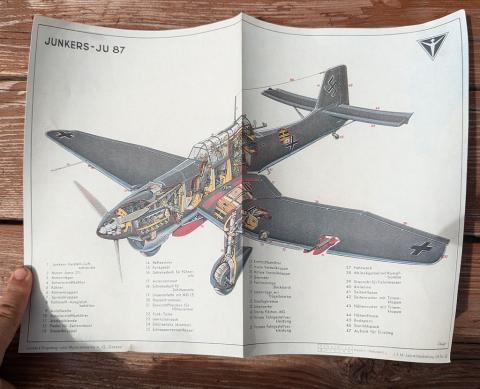
JUNKER JU 87 STUKA LUFTWAFFE German dive bomber ground-attack aircraft poster from a magazine
The Junkers Ju 87, popularly known as the "Stuka",[b] is a German dive bomber and ground-attack aircraft. Designed by Hermann Pohlmann, it first flew in 1935. The Ju 87 made its combat debut in 1937 with the Luftwaffe's Condor Legion during the Spanish Civil War of 1936–1939 and served the Axis in World War II from beginning to end (1939–1945).
The aircraft is easily recognisable by its inverted gull wings and fixed spatted undercarriage. Upon the leading edges of its faired main gear legs were mounted ram-air sirens, officially called "Lärmgerät" (noise device), which became a propaganda symbol of German air power and of the so-called Blitzkrieg victories of 1939–1942, as well as providing Stuka pilots with audible feedback as to speed. The Stuka's design included several innovations, including automatic pull-up dive brakes under both wings to ensure that the aircraft recovered from its attack dive even if the pilot blacked out from the high g-forces, or suffered from target fixation.
The Ju 87 operated with considerable success in close air support and anti-shipping roles at the outbreak of World War II. It led air assaults during the Invasion of Poland in September 1939. Stukas proved critical to the rapid conquest of Norway, the Netherlands, Belgium, and France in 1940. Though sturdy, accurate, and very effective against ground targets, the Stuka was, like many other dive bombers of the period, vulnerable to fighter aircraft. During the Battle of Britain of 1940–1941, its lack of manoeuvrability, speed, or defensive armament meant that it required a heavy fighter escort to operate effectively.
After the Battle of Britain, the Luftwaffe deployed Stuka units in the Balkans Campaign, the African and the Mediterranean theatres and in the early stages of the Eastern Front war, where it was used for general ground support, as an effective specialised anti-tank aircraft and in an anti-shipping role. Once the Luftwaffe lost air superiority, the Stuka became an easy target for enemy fighters, but it continued being produced until 1944 for lack of a better replacement. By 1945 ground-attack versions of the Focke-Wulf Fw 190 had largely replaced the Ju 87, but it remained in service until the end of the war in 1945.
Germany built an estimated 6,000 Ju 87s of all versions between 1936 and August 1944.
Oberst Hans-Ulrich Rudel became the most successful Stuka pilot and the most highly decorated German pilot of the war.
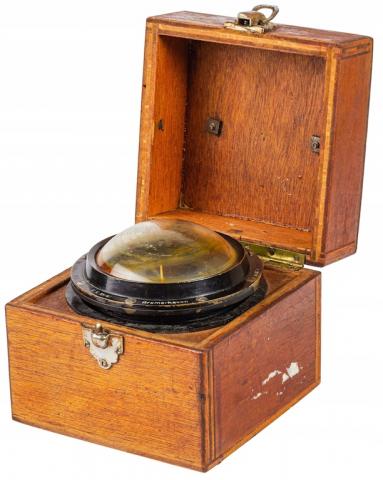
WW2 GERMAN NAZI RARE LUFTWAFFE Junkers Ju-86 Ju-52 Heinkel He-111 aircraft kompass in case
an amazing piece of history !!
A 100% ORIGINAL WW2 GERMAN LUFTWAFFE Fufrerkompass F.K. 10/32 W. Ludolph Aktiengesllschaft from Brmerhaven probably from 1939.
These compasses were installed in both civilian and military aircraft such as Junkers Ju-86, Ju-52 or Heinkel He-111.
The set also includes a closed, wooden box for storing the compass.
Dimensions diameter 111.0 mm;
Base diameter 82.0 mm;
The item is in good condition. GREAT PATINA (some Scratches, discoloration, discoloration of the glass, loss of fluid (glycerin).)
THIS IS VERY RARE, RARER WITH THE ORIGINAL CASE!
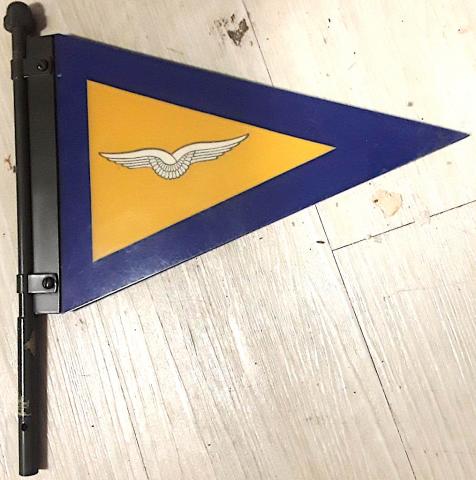
German nazi LUFTWAFFE veteran diplomate car pennant Bataillonskommandeur Bundeswehr
