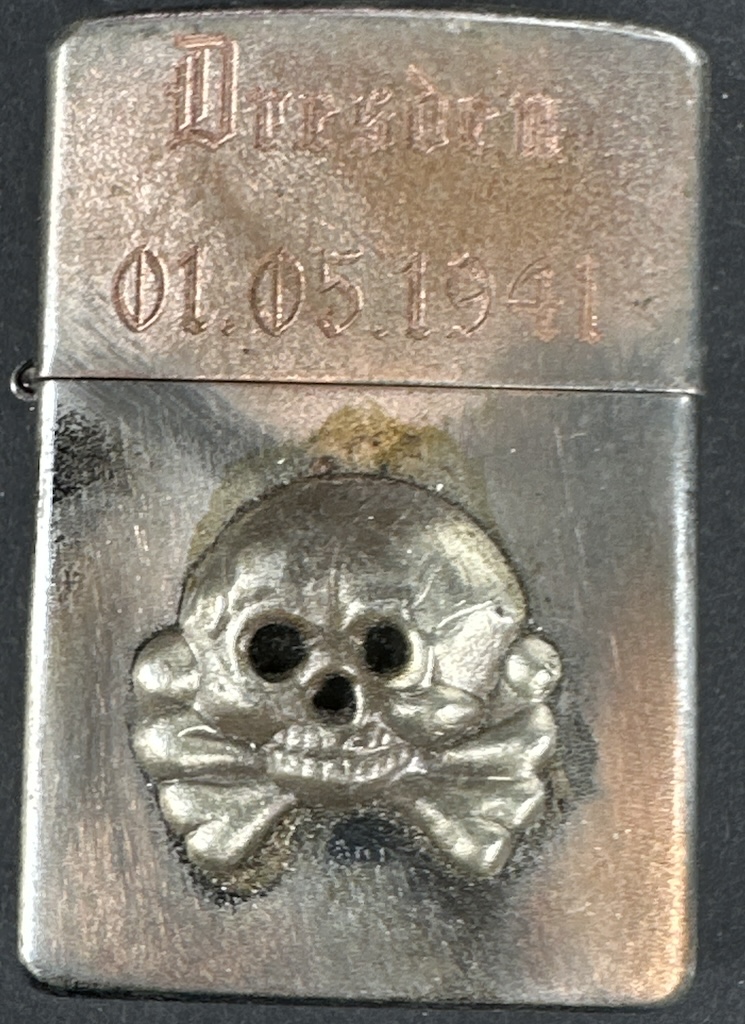

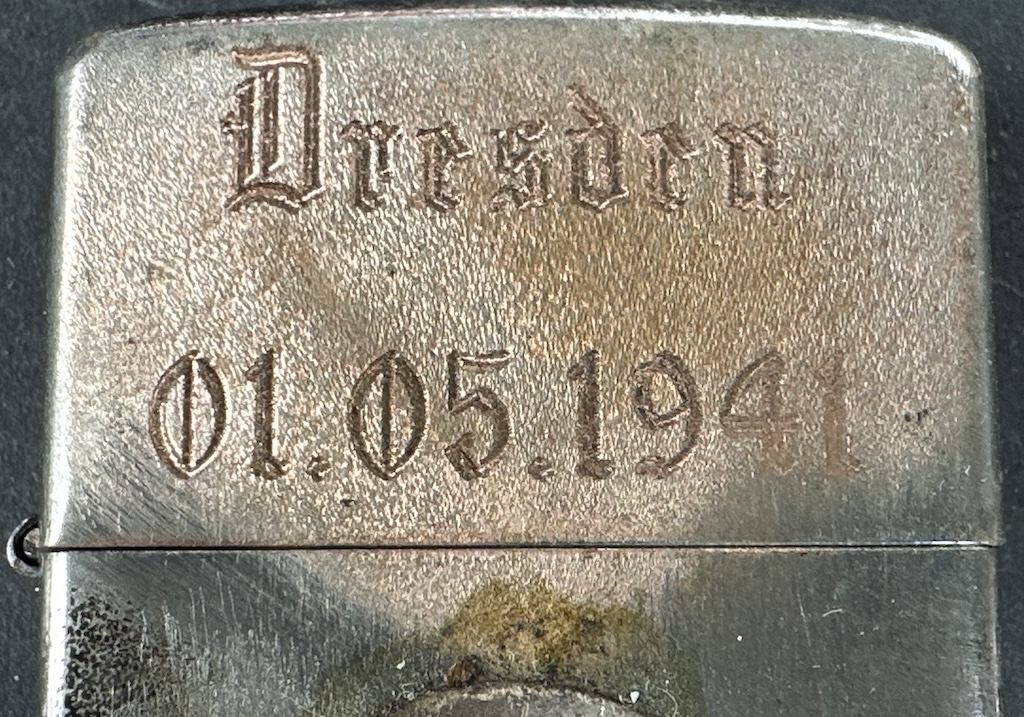


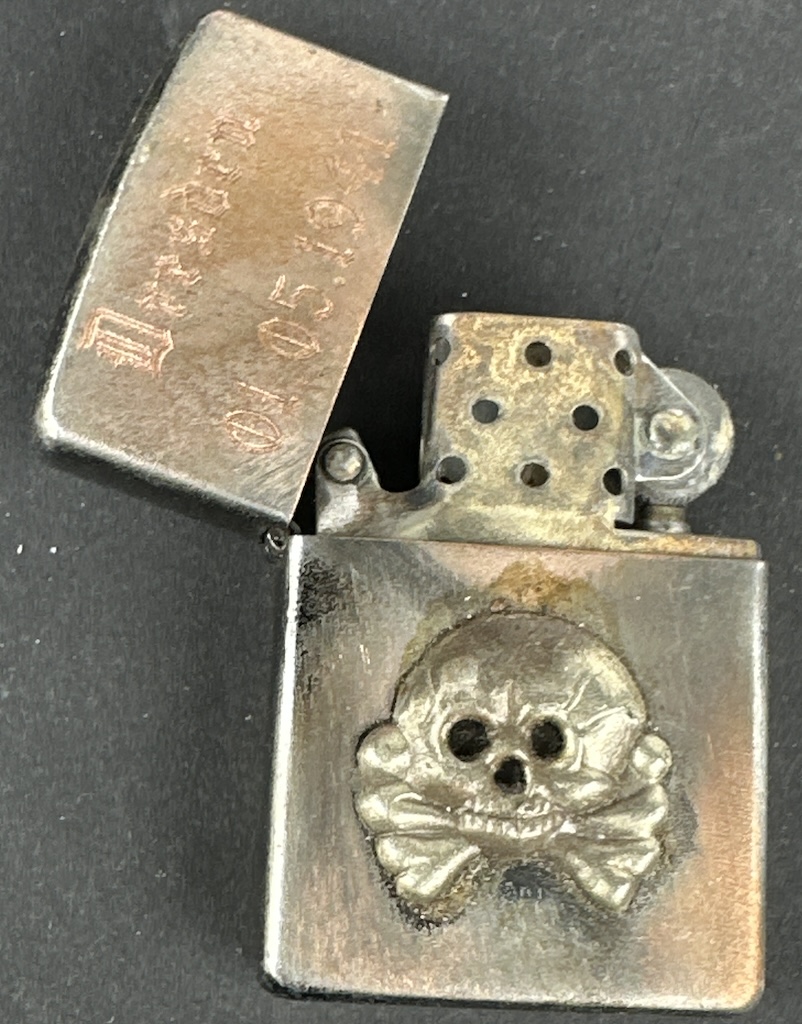

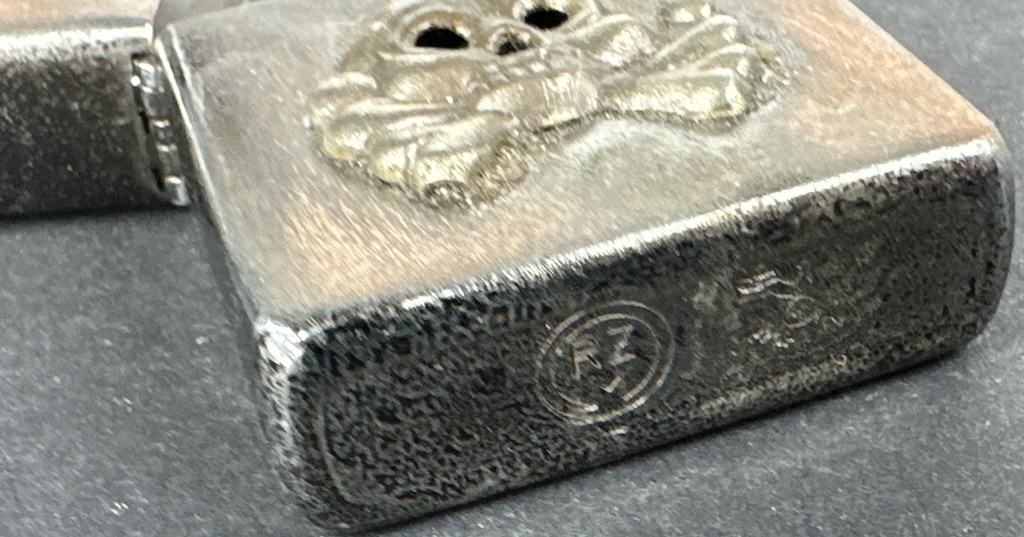
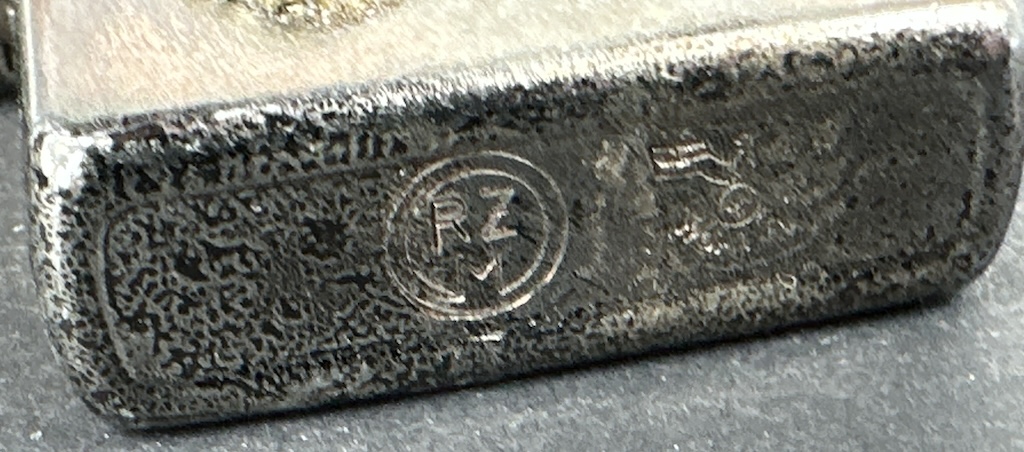
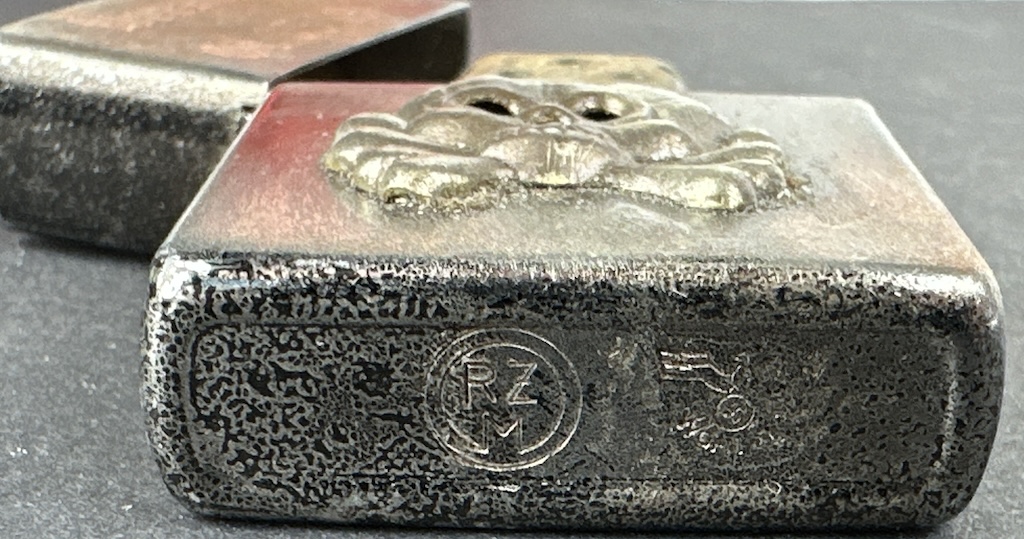

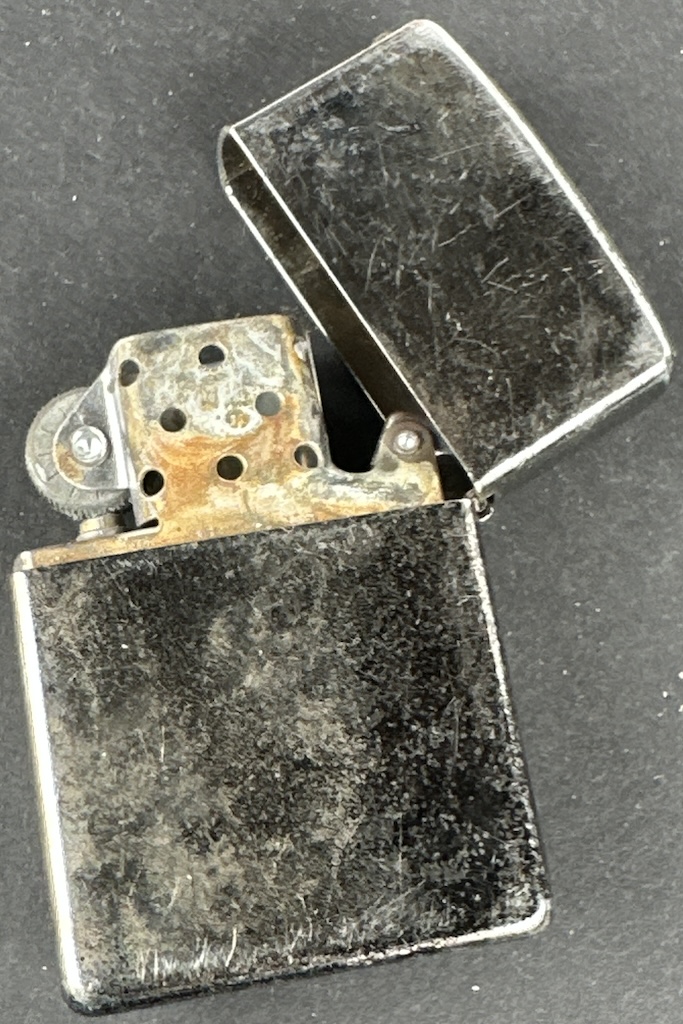


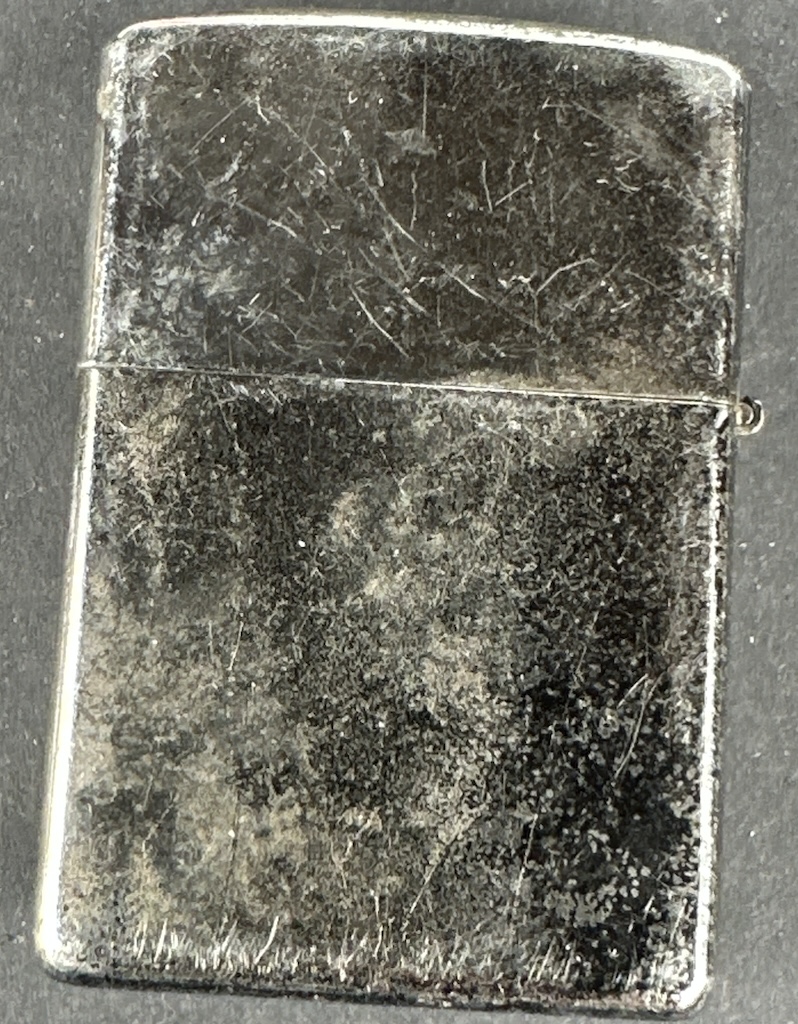
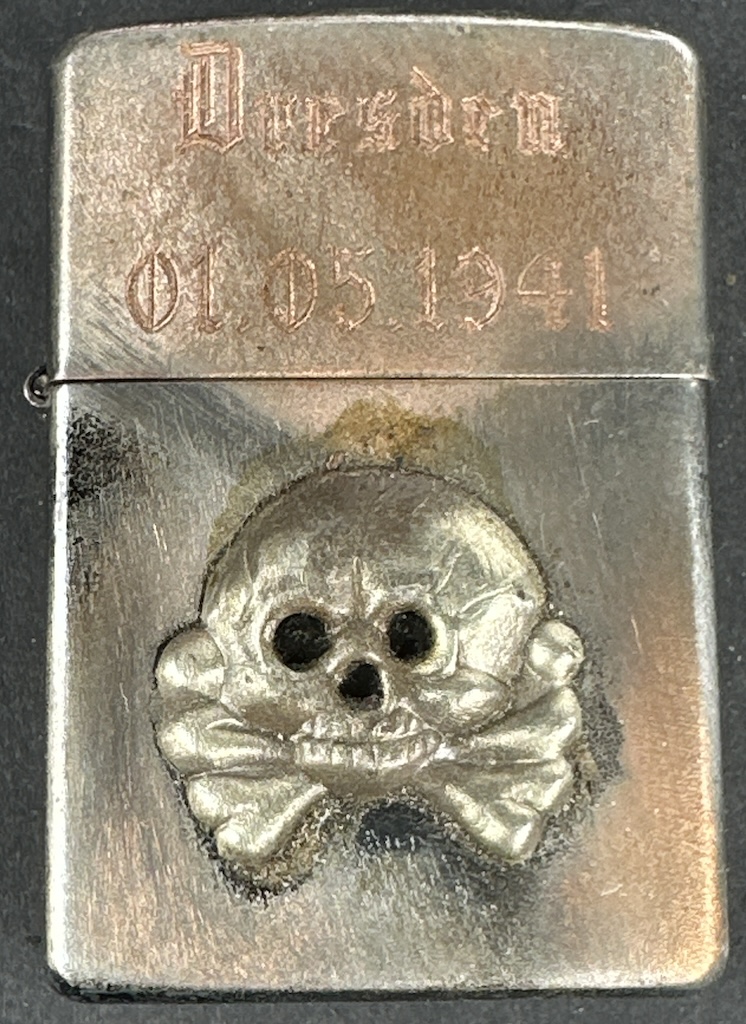
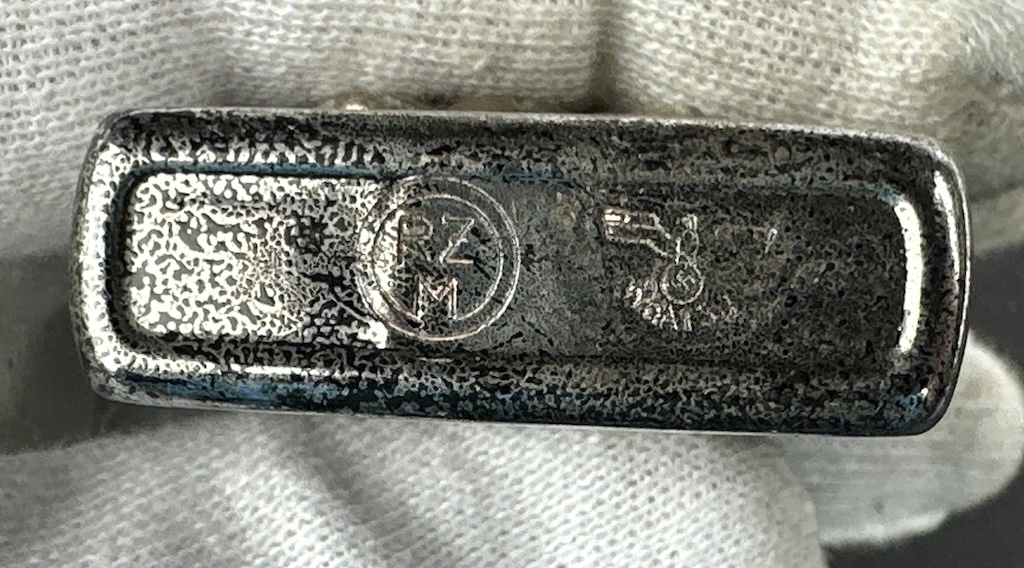
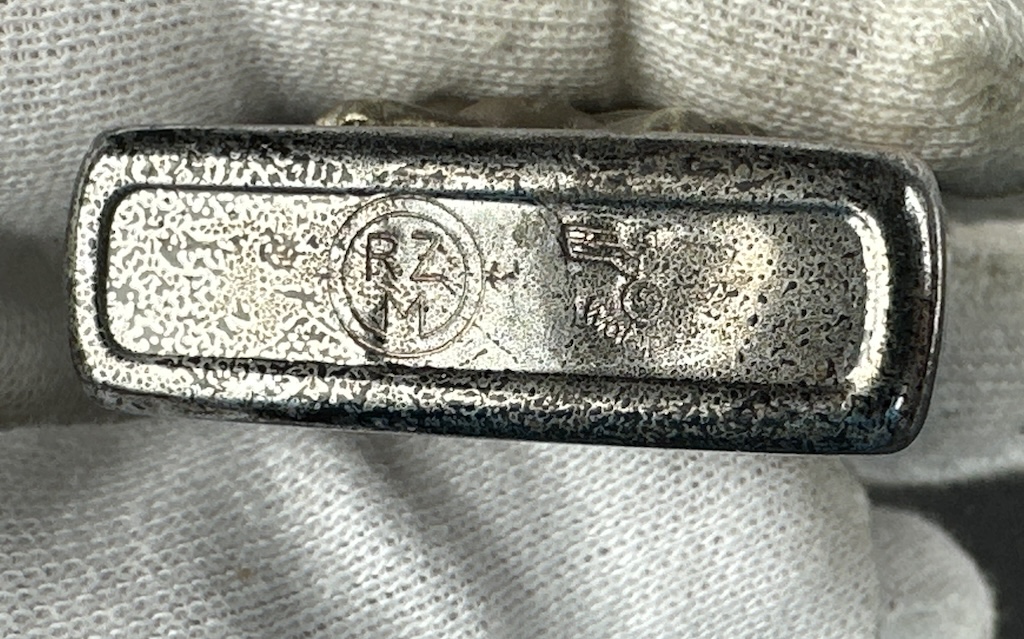
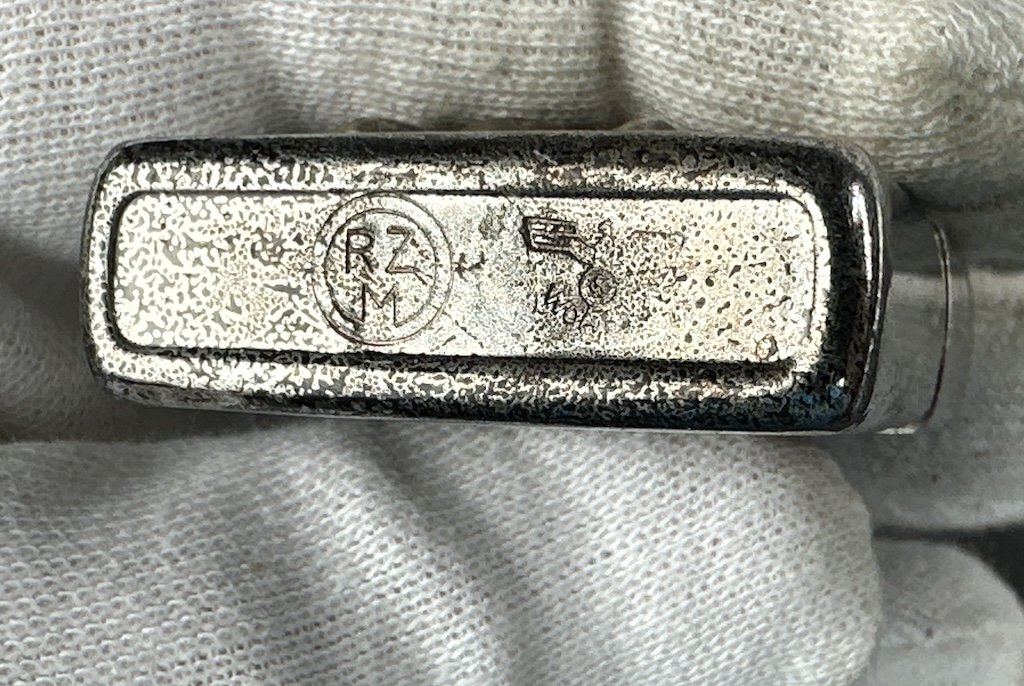
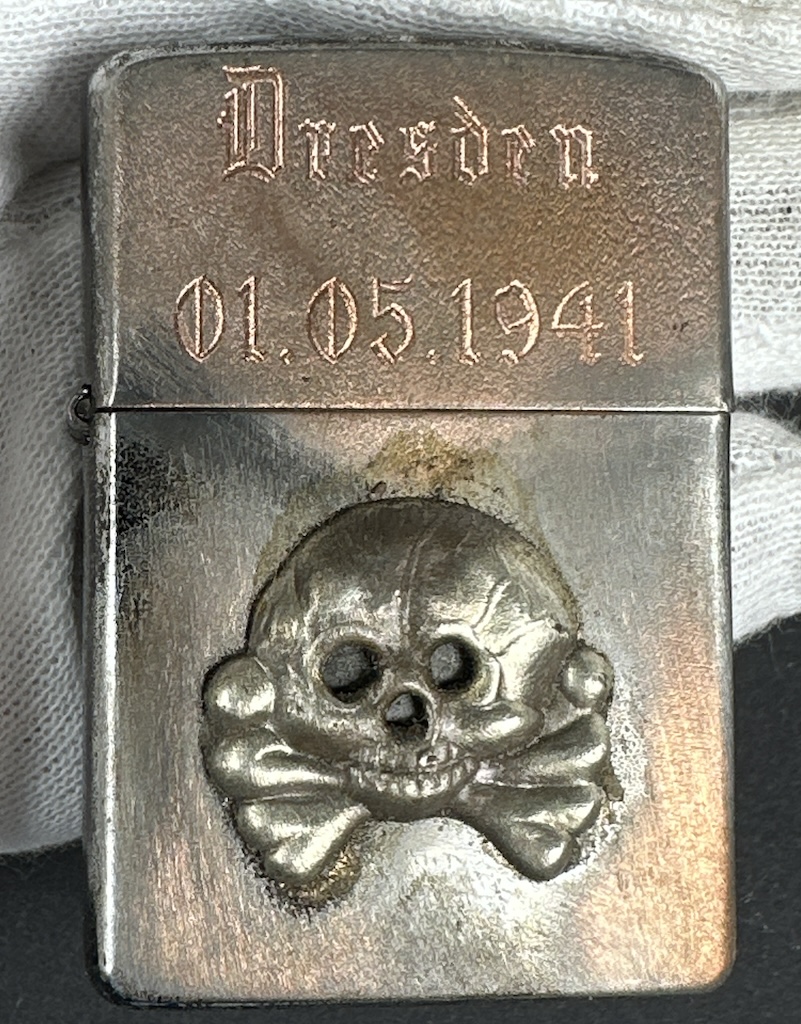
WW2 German Nazi WAFFEN SS PANZER DRESDEN bombing commemorative zippo lighter totenkopf by RZM
| List price(USD): | $350.00 |
| Price(USD): | $249.00 |
| You save(USD): | $101.00 |
WW2 German Nazi WAFFEN SS PANZER DRESDEN commemorative zippo lighter totenkopf
The bombing of Dresden was a joint British and American aerial bombing attack on the city of Dresden, the capital of the German state of Saxony, during World War II. In four raids between 13 and 15 February 1945, 772 heavy bombers of the Royal Air Force (RAF) and 527 of the United States Army Air Forces (USAAF) dropped more than 3,900 tons of high-explosive bombs and incendiary devices on the city.[a] The bombing and the resulting firestorm destroyed more than 1,600 acres (6.5 km2) of the city centre. Up to 25,000 people were killed. Three more USAAF air raids followed, two occurring on 2 March aimed at the city's railway marshalling yard and one smaller raid on 17 April aimed at industrial areas.
Postwar discussions about whether the attacks were justified made the event a moral cause célèbre of the war. Nazi Germany's desperate struggle to maintain resistance in the closing months of the war is widely understood today, but Allied intelligence assessments at the time painted a different picture. There was uncertainty over whether the Soviets could sustain their advance on Germany, and rumours of the establishment of a Nazi redoubt in Southern Germany were taken too seriously.
The Allies saw the Dresden operation as the justified bombing of a strategic target, which United States Army Air Force reports, declassified decades later, noted as a major rail transport and communication centre, housing 110 factories and 50,000 workers supporting the German war effort. Several researchers later asserted that not all communications infrastructure was targeted, and neither were the extensive industrial areas located outside the city centre. Critics of the bombing argue that Dresden was a cultural landmark with little strategic significance, and that the attacks were indiscriminate area bombing and were not proportionate to military gains. Some claim that the raid was a war crime. Nazi propaganda exaggerated the death toll of the bombing, and the German far-right has referred to it as "Dresden's Holocaust of bombs".


